Top Tips for Successful Hunting This Season
Hunting season is upon us, and for many, it’s a time of excitement, preparation, and anticipation. Whether you are a seasoned hunter or a novice, having the right strategies can make all the difference in your success. In this post, we will explore essential tips that can help you maximize your hunting experience this season. From understanding your environment to preparing your gear, we’ve got you covered.

Know Your Hunting Area
Understanding the terrain and wildlife in your hunting area is crucial. Each location has its unique characteristics that can affect your hunting strategy. Here are some key points to consider:
Research Local Wildlife: Familiarize yourself with the species you are hunting. Know their habits, feeding patterns, and preferred habitats. This knowledge can help you anticipate their movements.
Map the Terrain: Use topographic maps or GPS tools to understand the landscape. Identify potential hotspots where animals are likely to gather, such as water sources, food plots, or natural shelters.
Scout Ahead: Before the season starts, spend time scouting your hunting area. Look for signs of wildlife, such as tracks, droppings, and feeding areas. This will give you a better idea of where to set up your blind or tree stand.
Gear Up Properly
Having the right gear is essential for a successful hunt. Here’s a checklist of items you should consider:
Clothing: Dress in layers to adapt to changing weather conditions. Choose camouflage patterns that blend with your environment. Don’t forget a good pair of waterproof boots.
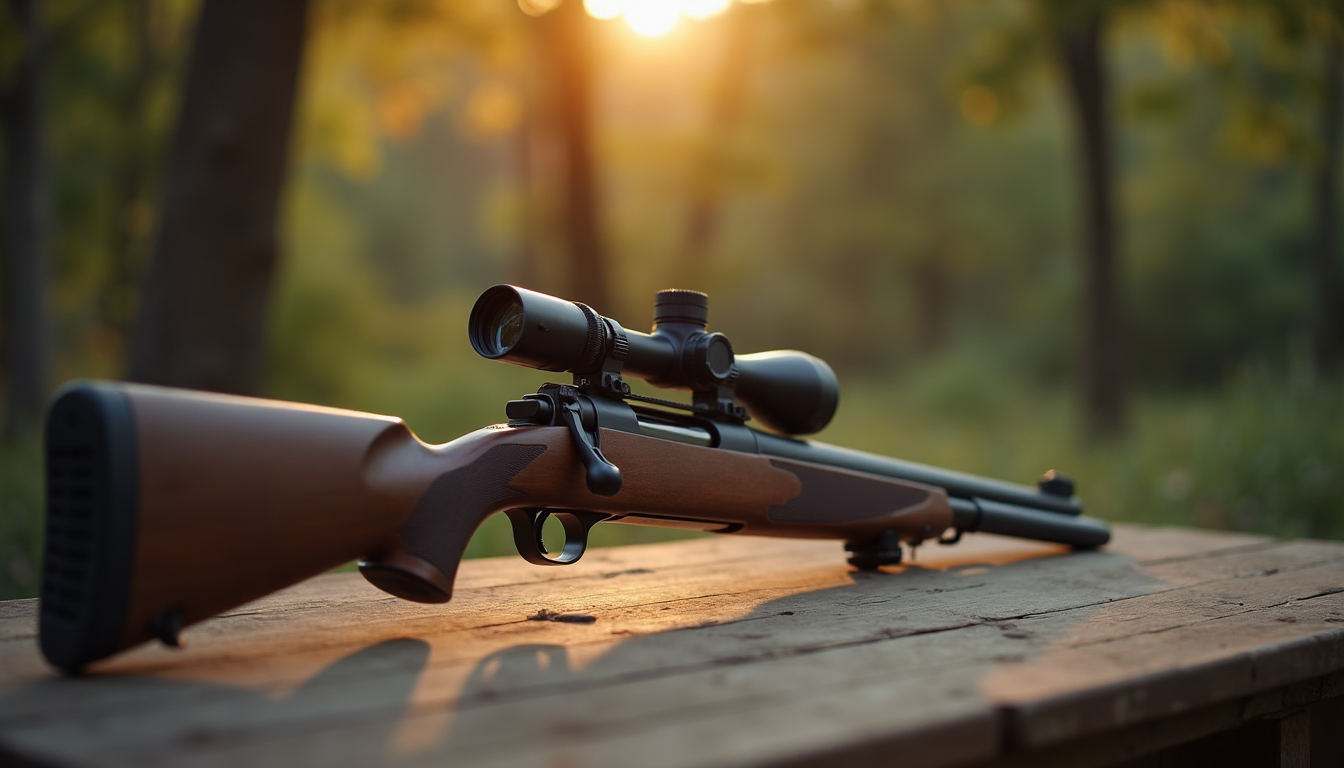
Weapons: Ensure your rifle or bow is in good condition. Practice regularly to maintain your shooting skills. If you’re using a bow, make sure your arrows are properly fletched and your bow is tuned.
Safety Equipment: Always prioritize safety. Wear a safety harness if you’re hunting from a tree stand, and carry a first aid kit. A good flashlight and a whistle can also be lifesavers in emergencies.
Master the Art of Patience
Hunting requires a great deal of patience. Here are some strategies to help you stay focused and calm:
Stay Still: Movement can scare away wildlife. Practice remaining still and quiet while you wait. Use natural cover to conceal your presence.
Mind Your Scent: Animals have a keen sense of smell. Use scent-blocking sprays and avoid wearing strong fragrances. Consider using scent-free soap when washing your hunting clothes.
Be Prepared for Long Waits: Bring snacks, water, and something to keep you occupied during long waits. A good book or a journal can help pass the time without drawing attention.
Utilize Technology Wisely
In today’s digital age, technology can enhance your hunting experience. Here are some tools to consider:
Trail Cameras: Set up trail cameras to monitor wildlife activity. This can help you identify the best times to hunt and the most active areas.
Hunting Apps: Use apps that provide weather forecasts, moon phases, and animal movement predictions. These can help you plan your outings more effectively.
GPS Devices: A reliable GPS device can help you navigate unfamiliar terrain and mark important locations, such as your vehicle or hunting spots.
Practice Ethical Hunting
Ethical hunting is not just about following the law; it’s about respecting wildlife and the environment. Here are some principles to keep in mind:
Follow Regulations: Always adhere to local hunting laws and regulations. This includes obtaining the necessary licenses and permits.
Respect Wildlife: Only take shots that you are confident you can make. Avoid wounding animals, as this can lead to unnecessary suffering.
Leave No Trace: Practice responsible hunting by cleaning up after yourself. Pack out all trash and minimize your impact on the environment.
Stay Physically Fit
Hunting can be physically demanding, so maintaining good fitness is essential. Here are some tips to help you stay in shape:
Cardiovascular Training: Engage in activities like running, cycling, or hiking to build endurance. This will help you navigate tough terrains during your hunts.
Strength Training: Focus on exercises that strengthen your core, legs, and upper body. This will improve your stability and ability to carry gear.
Flexibility: Incorporate stretching or yoga into your routine. This can help prevent injuries and improve your overall mobility.
Connect with Other Hunters
Building a network of fellow hunters can enhance your experience. Here’s how to connect:
Join Local Clubs: Many areas have hunting clubs or organizations. Joining these can provide valuable resources, mentorship, and camaraderie.
Attend Workshops: Look for workshops or seminars on hunting techniques, safety, and conservation. These can provide insights and tips from experienced hunters.
Share Experiences: Engage with other hunters online or in person. Sharing stories and strategies can help you learn and grow as a hunter.
Prepare for the Unexpected
No matter how well you plan, unexpected situations can arise. Here are some tips to help you stay prepared:
Emergency Kit: Always carry an emergency kit that includes a map, compass, first aid supplies, and extra food and water.
Know Your Limits: Be aware of your physical limits and don’t push yourself too hard. If you feel fatigued or unwell, it’s better to call it a day.
Stay Informed: Keep an eye on weather conditions and be prepared to adjust your plans accordingly. Sudden changes in weather can affect wildlife behavior and your safety.
Conclusion
As you gear up for this hunting season, remember that preparation and knowledge are key to a successful experience. By understanding your environment, equipping yourself properly, and practicing ethical hunting, you can make the most of your time in the field. Stay patient, stay safe, and enjoy the thrill of the hunt. Happy hunting!
Comments