How to Choose the Right Hunting Equipment
Choosing the right hunting equipment can be a daunting task, especially for beginners. With a plethora of options available, it’s essential to understand what you need to ensure a successful and safe hunting experience. This guide will walk you through the key factors to consider when selecting your hunting gear, from firearms to clothing, and everything in between.

Understanding Your Hunting Style
Before diving into the specifics of equipment, it’s crucial to identify your hunting style. Are you a big game hunter, a bird hunter, or perhaps a bow hunter? Each type of hunting requires different gear.
Big Game Hunting
For big game hunting, such as deer or elk, you’ll need a reliable rifle or shotgun. Consider the following:
Caliber: Choose a caliber that suits the game you are hunting. For deer, a .30-06 or .308 is popular, while larger game may require something like a .300 Win Mag.
Optics: A good scope can make a significant difference. Look for one with variable magnification and good light transmission.
Bird Hunting
If you’re interested in bird hunting, shotguns are the way to go. Here are some tips:
Gauge: A 12-gauge shotgun is versatile for various birds, but a 20-gauge can be lighter and easier to handle.
Choke: Different chokes can help you control the spread of your shot, which is essential for hitting fast-moving targets.
Bow Hunting
Bow hunting requires a different set of equipment:
Bow Type: Decide between compound, recurve, or crossbow based on your comfort and skill level.
Arrows: Choose arrows that match your bow’s specifications and the game you are hunting.
Essential Gear for Every Hunter
Regardless of your hunting style, there are some essential pieces of equipment every hunter should consider.
Clothing
Proper clothing is vital for comfort and safety. Here are some factors to consider:
Weather Resistance: Look for waterproof and breathable materials to keep you dry and comfortable.
Camouflage: Choose patterns that blend with your hunting environment to avoid detection by game.
Layering: Dress in layers to adapt to changing weather conditions. Base layers wick moisture, while outer layers provide insulation and protection.
Footwear
Your choice of footwear can make or break your hunting experience. Consider the following:
Terrain: Choose boots that are suitable for the terrain you’ll be hunting in. Waterproof boots are essential for wet conditions, while insulated boots are necessary for colder climates.
Comfort: Ensure your boots fit well and provide adequate support for long treks.
Safety Gear
Safety should always be a priority when hunting. Essential safety gear includes:
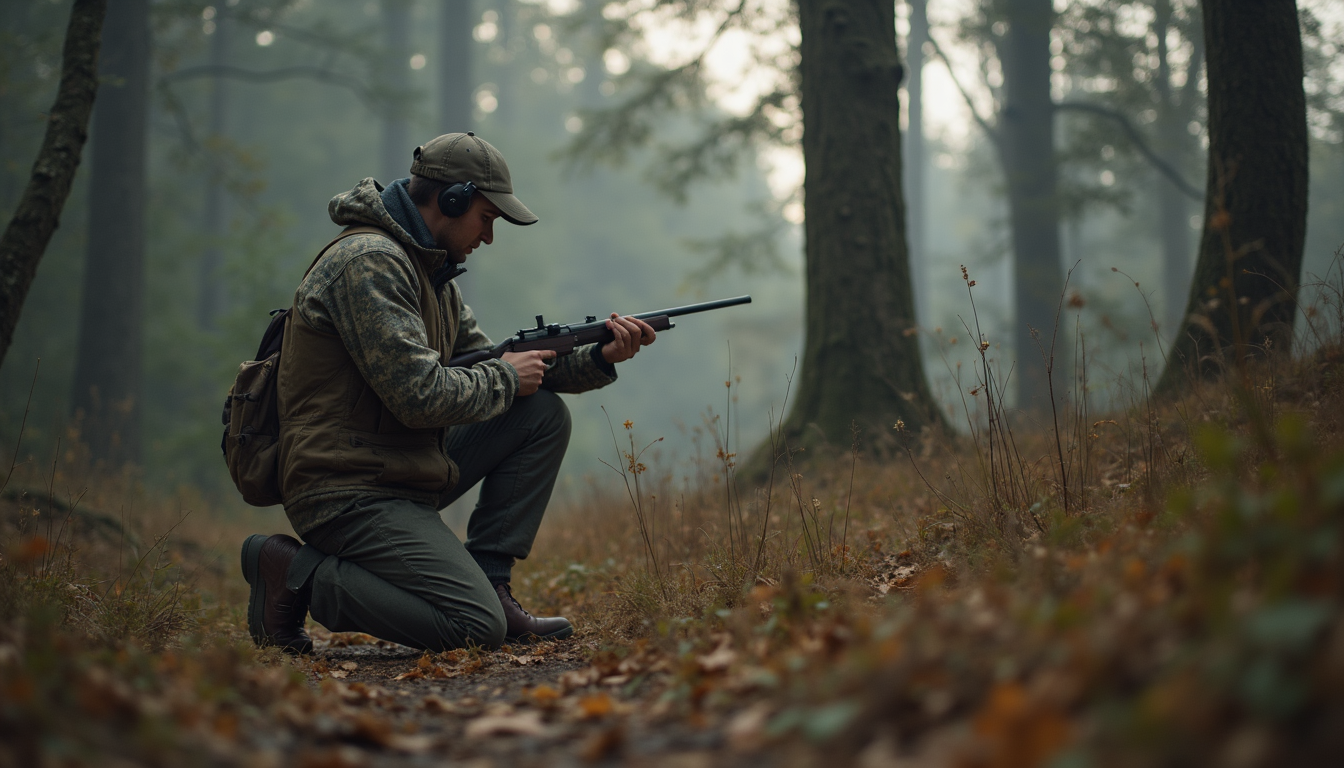
Hearing Protection: Use earplugs or earmuffs to protect your hearing from loud gunshots.
Eye Protection: Safety glasses can shield your eyes from debris and enhance visibility.
Hunter Orange: Wearing blaze orange clothing makes you visible to other hunters, reducing the risk of accidents.
Accessories to Enhance Your Hunting Experience
In addition to the basics, several accessories can enhance your hunting experience.
Optics
Investing in quality optics can significantly improve your accuracy and success rate. Consider:
Binoculars: A good pair of binoculars can help you spot game from a distance. Look for models with a magnification of 8x to 10x for optimal performance.
Rangefinders: These devices help you determine the distance to your target, allowing for more accurate shots.
Game Calls
Game calls can be a valuable tool for attracting animals. Depending on your target species, you may need:
Deer Calls: Grunt calls and bleat calls can attract deer during the rut.
Duck Calls: A variety of duck calls can mimic different species and help bring them in.
Hunting Packs
A good hunting pack is essential for carrying your gear. Look for:
Capacity: Choose a pack that can hold all your essentials without being too bulky.
Comfort: Look for padded straps and a hip belt for added support during long hikes.
Maintenance and Care for Your Equipment
Taking care of your hunting equipment is crucial for longevity and performance. Here are some maintenance tips:
Firearms
Cleaning: Regularly clean your firearm to prevent rust and ensure smooth operation. Use a cleaning kit specific to your firearm type.
Storage: Store your firearm in a safe, dry place. Consider using a gun safe for added security.
Bows
String Care: Regularly wax your bowstring to prevent fraying and wear.
Tuning: Periodically check your bow’s tuning to ensure optimal performance.
Clothing and Gear
Washing: Follow the manufacturer’s instructions for washing your hunting clothes to maintain their effectiveness.
Storage: Store your gear in a cool, dry place to prevent mold and mildew.
Conclusion
Choosing the right hunting equipment is essential for a successful and enjoyable experience. By understanding your hunting style, selecting the right gear, and maintaining your equipment, you can enhance your skills and increase your chances of success in the field. Remember to prioritize safety and comfort, and don’t hesitate to invest in quality gear that will serve you well for years to come. Happy hunting!
Comments